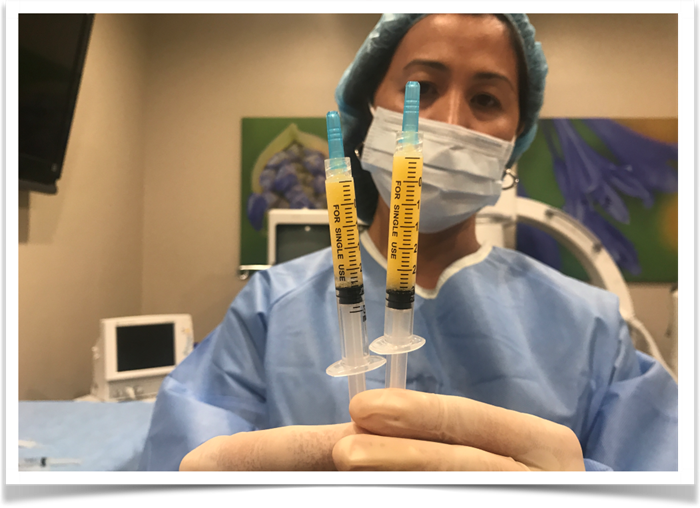
Adipose (Fat)-derived cells are collected from a fat sample from the buttock, waist, or abdomen. It contains mesenchymal stem cells and other important therapeutic cells, growth factors and proteins that stimulate the body's natural ability to improve circulation, decrease inflammation and heal injured tissues. The cells derived from bone marrow and adipose (fat) tissue produce molecules that direct other healing cells to go the injured region to form new blood vessels, stimulate other stem cells, and stimulate proliferation of other cells to produce healthy tissue. There is minimal manipulation of the tissue with no enzymatic digestion or addition of other biological or pharmacological agents. We use an FDA-cleared and compliant process for preparing microfat that has been in clinical use for several years.
What Orthopedic Conditions can be treated with MFAT?
- Moderate to Severe Osteoarthritis
- Cartilage damage
- Tendon degeneration, tendinitis or tendon tear
- Ligament sprain or tear
- Labrum degeneration or tear
- Soft tissue injuries from sports
- Degenerative disc disease in the spine
How MFAT treatment is done
Step 1: Collecting the Fat
Your MFAT treatment begins with gently collecting a small amount of fat from your belly, waist, or buttocks. This is a simple, minimally invasive procedure done under local anesthesia to keep you comfortable. You’ll be lying down, and the process takes about 30 minutes. The numbing solution not only keeps the area pain-free, but also helps reduce bleeding and makes fat collection easier.
Step 2: The Collection Process
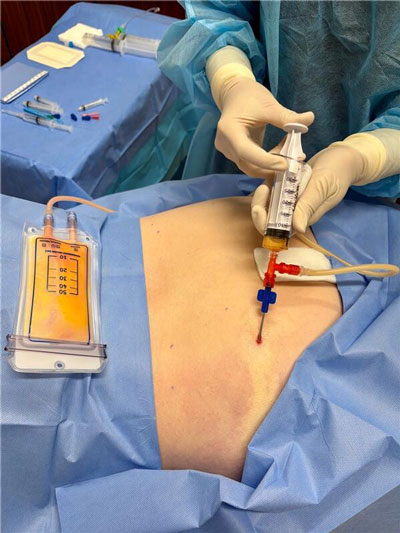
Once the area is numb, a small, blunt instrument called a cannula (a small tube with tiny openings) is placed just under the skin to gently withdraw the fat. You might feel a little pressure or tugging, but most patients say this part is very comfortable.
Step 3: Processing the Fat
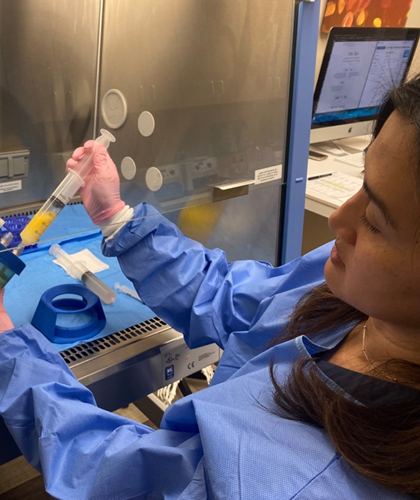
The collected fat is then carefully processed for about 10–15 minutes. It is washed with saline, filtered, and prepared so that the most useful cells are separated and ready to support healing. The entire process is FDA-compliant and done in a sterile, closed system to ensure safety and reduce any risk of infection.
Step 4: Injection of MFAT
Next, we’ll use ultrasound to examine the injured area. The skin will be cleaned with antiseptic and numbed for comfort. Using imaging guidance, the concentrated fat-derived cells are then injected directly into the area that needs healing.
After the procedure, you’ll have a small dressing over the fat collection site, which can be removed after 2 days. The injection site will be covered with a small band aid that can be removed after 24 hours.
It’s normal to feel some soreness. You can use ice for the first 2–3 days if needed. Before you leave, we’ll provide detailed instructions for recovery and post-procedure care.
What to Expect After MFAT therapy?
Most people are able to return to normal daily activities within 2–3 days after the MFAT treatment, and many go back to work the next day. We’ll ask you to avoid heavy exercise for about a week to allow the area to heal. If you feel sore after the injection, you can use ice, Tylenol, or prescribed pain medication for relief.
About 1–2 weeks after your treatment, your doctor will design a personalized physical therapy program to help you recover and rebuild strength safely. Most patients are able to return to sports or more demanding physical activities within 6–8 weeks, though more severe injuries may take longer—sometimes over 3 months. Even in those cases, your rehabilitation will begin gradually within the first couple of weeks so your body stays conditioned during the healing process.
What are the Possible side effects of an MFAT injection?
Side effects are the same side effects associated with other injections like pain from the injection site, bleeding, infection, and tissue injury. The safety of MFAT has been proven in many studies and is associated with minimal to no risks.