PRP (platelet-rich plasma) is not designed to provide immediate pain relief. Mild soreness, tenderness, or increased discomfort may occur for several days after the injection, with improvement typically developing gradually over the following weeks. Some patients may require more than one treatment.
Recovery varies depending on the condition and treatment area. Your physician will provide personalized instructions, which may include temporarily limiting activities that place stress on the treated area. Gentle movement and physical therapy may help restore mobility, strength, and function. Avoid increasing activity too quickly, even if you begin to feel better.
Return to Exercise
There is no universal timeline for returning to exercise after a PRP injection, as recovery depends on the treated tissue, the severity of the condition, and your individual response to treatment.
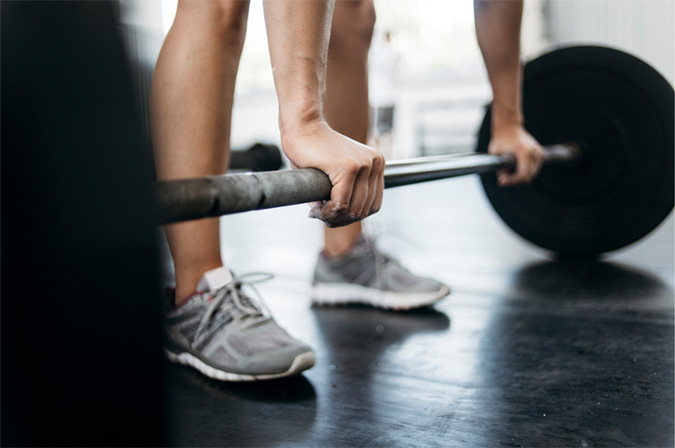
In general, plan to take it easy for the first week and avoid activities that significantly load or stress the treated area. Strenuous workouts, heavy lifting, and high-impact activities may need to be limited for the first couple of weeks.
Physical therapy typically begins about one week after the injection, with activity and loading gradually increased based on your symptoms and recovery. Light resistance training may begin as early as a couple of weeks after treatment when appropriate.
Return to sport may take approximately 6–8 weeks, although this does not mean complete rest during that time. Exercise and rehabilitation typically continue throughout the recovery period, with a gradual progression in intensity, resistance, and sport-specific activity.
Your physician or physical therapist will guide you on when and how to safely progress your activity based on your recovery.
Pain Medication
Follow your physician’s instructions regarding pain medication. Some providers recommend avoiding NSAIDs, such as ibuprofen or naproxen, for 1-2 weeks after treatment because they may affect platelet function. Never stop aspirin, blood thinners or another prescribed medication without first consulting your physician.
Some soreness is expected but contact your medical team if you experience severe or worsening pain, significant swelling, increasing redness or warmth, fever or chills, drainage, new weakness or numbness, or other concerning symptoms.
When Can I Expect Improvement
PRP results vary from person to person, and improvement is typically gradual rather than immediate. Some patients may notice changes within a few weeks, while others may take longer to respond. Meaningful improvement is generally expected within 2–4 months, although the timeline can vary depending on the condition and treatment.
Factors that may influence the response include the condition being treated, the injection site, severity and duration of symptoms, tissue quality, and individual healing response.
PRP is often one component of a broader treatment plan that may include physical therapy, activity modification, and progressive rehabilitation. While many patients experience improvement, individual results cannot be guaranteed.