Chronic pain, especially in the lower back, can make everyday activities challenging. While physical therapy, exercise, and medical treatments can help, your diet may also play a role in managing discomfort.
Certain foods can influence inflammation in the body. Choosing nutritious foods and limiting highly processed options may help support overall health and complement your pain management plan.
Understanding Inflammation and Chronic Pain
Inflammation is the body’s natural response to injury or infection. However, when it persists, it may contribute to ongoing discomfort and tissue damage.
Research links chronic inflammation to several health conditions, including arthritis, heart disease, and diabetes. A balanced diet rich in essential nutrients and antioxidants may help support normal immune function and a healthy inflammatory response.
Foods That May Promote Inflammation
Regularly eating highly processed foods and foods high in added sugars may negatively affect overall health.
Consider limiting:
- Sugary drinks and soda.
- Fried foods and processed snacks.
- Refined carbohydrates, such as white bread and pastries.
- Processed meats, including bacon and sausages.
- Foods high in unhealthy fats.
Reducing these foods may also support healthy weight management, which can help reduce stress on the lower back and other weight-bearing joints.
Foods That Help Support a Healthy Inflammatory Response
An anti-inflammatory diet focuses on whole foods that provide fiber, vitamins, healthy fats, and antioxidants.
Consider adding more:
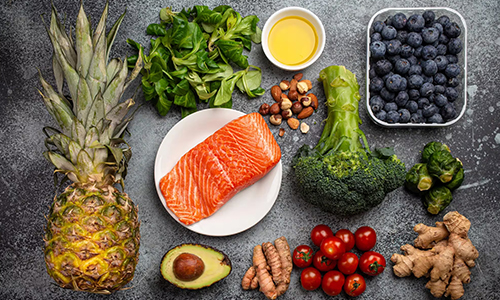
- Fruits: Blueberries, strawberries, cherries, and oranges.
- Vegetables: Spinach, kale, broccoli, and other leafy greens.
- Healthy fats: Olive oil, nuts, seeds, and avocados.
- Fatty fish: Salmon, sardines, and mackerel, which contain omega-3 fatty acids.
- Whole grains and legumes: Oats, brown rice, lentils, and beans.
These foods provide nutrients that support overall health and may help regulate inflammation. A Mediterranean-style diet is one example of an eating pattern that includes many of these options.
Simple Ways to Improve Your Diet
Small, consistent changes can make healthy eating easier. Try filling half your plate with fruits and vegetables, choosing whole grains, including lean proteins, and using olive oil instead of butter more often.
Focus on variety and balance rather than relying on one specific food to relieve pain.
Can Diet Replace Pain Treatment?
An anti-inflammatory diet may complement chronic pain management, but it cannot guarantee pain relief or replace appropriate medical care. Combining healthy eating with physical activity, physical therapy, quality sleep, and professional guidance may provide a more comprehensive approach.
Take Steps Toward Better Health
Managing chronic pain often requires a combination of strategies. By choosing nutrient-rich foods and reducing highly processed options, you can support your overall well-being and potentially complement your existing treatment plan.
If persistent back or joint pain affects your daily life, schedule a consultation with Dr. Ambach to identify the cause and explore appropriate treatment options.